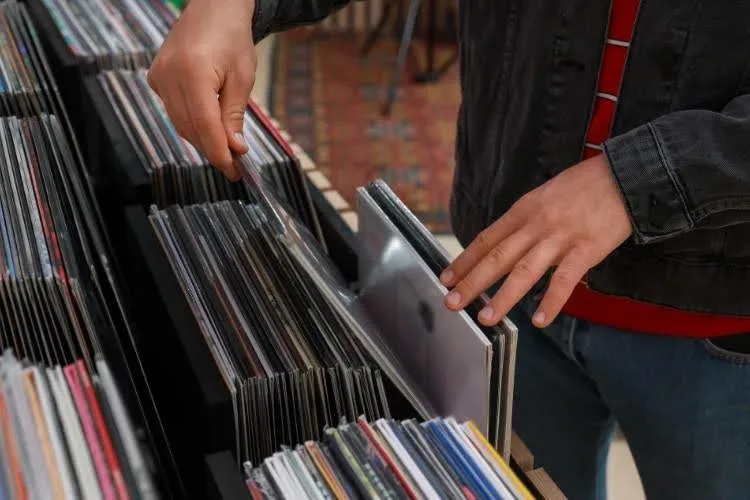
For a generation immersed in the digital stream, vintage vinyl might seem like a quaint relic. But for us in the pulsating heart of EDM and the broader music universe, these aren't just records; they're sacred artifacts, carrying the very soul of our culture!
Imagine: an legendary early house 12-inch, a groundbreaking trance white label, or a disco gem sampled in today's biggest festival anthems. Each groove whispers tales of dancefloors past and future, brimming with history and raw energy.
However, diving into the world of vintage vinyl isn't a simple grab-and-go affair. The condition, authenticity, unparalleled sound quality, and even how a record has been stored all dictate whether you've unearthed a prized jewel for your collection or a disheartening dud. Fear not, fellow sonic adventurers! This guide is your essential roadmap to navigating the thrilling landscape of vintage vinyl, especially when you're building a collection rooted in the electrifying sounds of electronic music and its trailblazing influences.
Master the Art of Vinyl Grading Standards
Your first mission in the vintage vinyl quest? Decoding the universal language of record grading! Sellers passionately describe their treasures using labels like Mint (M), Near Mint (NM), Very Good Plus (VG+), and Very Good (VG). These aren't just arbitrary terms; they’re vital clues applying to both the precious vinyl itself and its iconic sleeve.
For dedicated dance music collectors, where every beat counts and DJ usability is paramount, the surface quality of that wax is absolutely critical! A VG+ record might boast a few minor cosmetic marks, but it should spin with minimal noise, keeping those breakdowns pristine. A VG record, however, could present noticeable surface noise or light pops – a potential buzzkill during those crucial, quieter moments of a track.
Always double-check if the grading applies separately to the vinyl and the sleeve. A sparkling clean record in a battle-worn jacket might not affect your playback, but if future resale value is on your radar, the sleeve's condition becomes a significant player. When you're hunting online, demand detailed descriptions! Shun vague phrases like “great condition” and seek out serious sellers who meticulously mention every visible scuff, spindle mark, or hint of warping.
Unearth the Perfect Pressing and Edition
Not all pressings are created equal, and that's where the real treasure hunt begins! First pressings are often the holy grail, especially for those monumental electronic releases or genre-defining albums that shaped our scene. Yet, don't dismiss later reissues too quickly; sometimes they surprise us with superior mastering or even cleaner audio if the original was a rush job!
To truly evaluate a pressing, become a vinyl detective! Scrutinize the catalog number, the intricate label design, and those mysterious matrix runout numbers etched near the center groove. These tiny details are your keys to unlocking authenticity and pinpointing the exact pressing year. For those ultra-rare techno, house, or drum and bass records, even the smallest variation in label text can separate a common reissue from a priceless original!
When you're researching pressings, always lean on reputable sellers who champion accuracy and transparency. Platforms like Evergreen Vinyl, celebrated for their meticulously curated selections and impeccable documentation, set the gold standard. Even if you're exploring other avenues, let their level of detail be your benchmark for what truly exceptional vinyl presentation looks like!
Demand Pristine Audio Quality and Mastering
For EDM aficionados, sound quality isn't just a perk – it's the very pulsating heart of the experience! A poorly mastered record can tragically flatten those earth-shattering basslines and dull the vibrant high-end textures that define our beloved dance music. We demand nothing less than pure sonic power!
Vintage vinyl often offers a thrilling sonic snapshot of its era's production wizardry. Early house and techno records, for instance, were often cut “hot” – optimized for colossal club systems, emphasizing pure punch and relentless energy. Others might reveal the charming limitations of older equipment. But beware: scratches, groove wear, and improper storage are insidious villains that can ruthlessly compromise that precious fidelity.
If there's one question you must ask, it's this: “Has the record been play-tested?” A visual inspection alone simply cannot reveal the insidious groove distortion caused by heavy tracking or worn DJ needles. When you're investing in a specialist retailer, you're far more likely to discover listings that include honest grading AND invaluable technical insights into the condition and mastering of each record. This level of electrifying transparency obliterates guesswork, especially for buyers investing in those coveted collectible or DJ-ready copies!
Safeguard Against Warping, Storage Woes, and Environmental Havoc
Vinyl is a robust beast, but it's not invincible! The silent enemies of your collection – heat, humidity, and sloppy storage – can wreak absolute havoc, leading to dreaded warping. A warped record isn't just a visual nuisance; it can cause playback issues, stylus jumps, and ultimately, a compromised sonic journey. Always ensure your records are stored vertically, away from direct sunlight and extreme temperatures, nestled snugly in protective sleeves. Treat these sonic treasures with the respect they deserve, and they'll continue to deliver electrifying beats for generations to come!

Community Signals
Login or Sign up to broadcast on this frequency.
> No signals detected on this frequency.