What the Mandate Covers
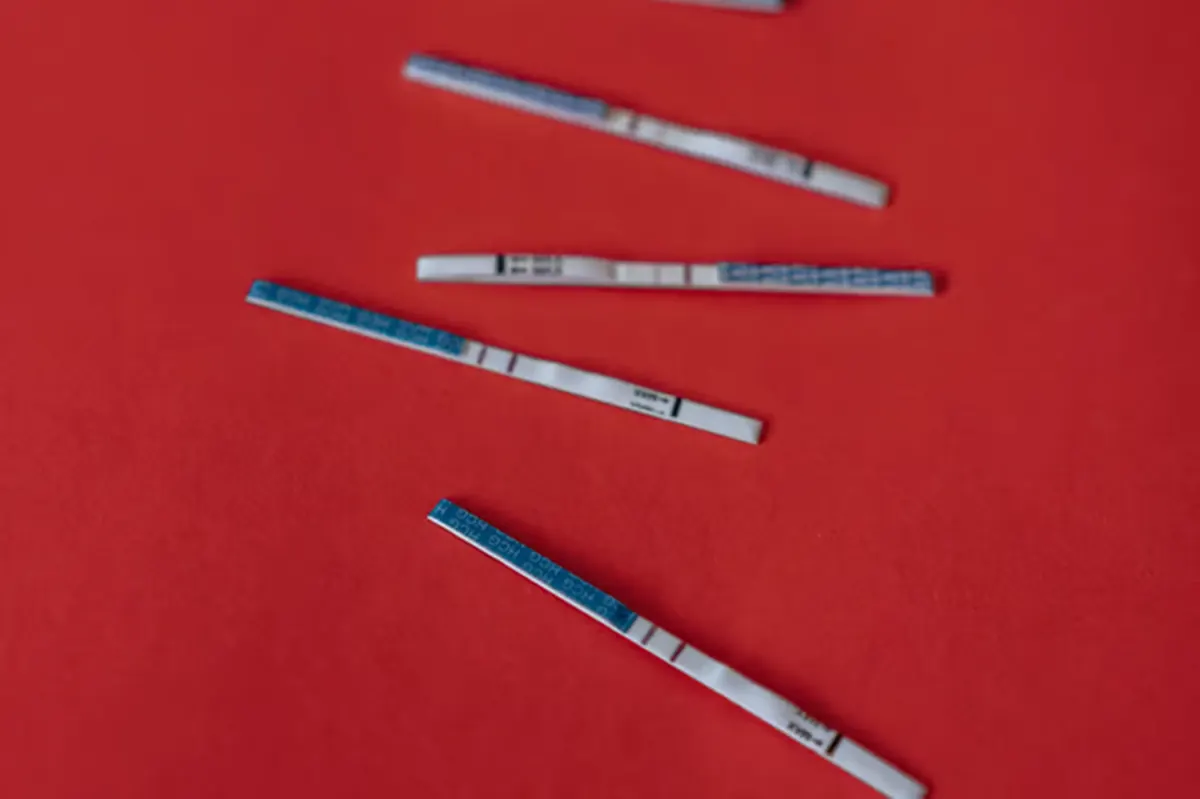
Under the new legislation, venues holding Type 48 liquor licenses must offer test strips for controlled substances including fentanyl, GHB, and ketamine. The kits allow patrons to check substances for dangerous adulterants before consumption. Establishments must also post clear, visible signage alerting clubgoers that these safety items are available. Venues can charge a nominal fee to cover supply costs or provide them free of charge.
From Grassroots Advocacy to State Policy
The legislative change reflects decades of work by harm reduction advocates. Grassroots organizations like DanceSafe have long pushed to normalize testing kits, education, and open dialogue around nightlife safety. Zero-tolerance policies historically drove safety measures underground, but this law acknowledges a different reality: keeping people alive must take priority.
Fentanyl contamination has devastated communities nationwide, and fentanyl test strips offer an immediate layer of defense against fatal overdoses. Drink spiking remains a persistent threat in crowded, low-light environments, and physical drink lids provide a barrier that deters predators while offering peace of mind. Normalizing these tools inside licensed venues protects both patrons and staff.
A Model for Other States
California frequently sets regulatory trends that ripple across the country. When major nightlife markets in Los Angeles and San Francisco implement broad safety reforms, other regions tend to follow. Venue operators elsewhere should view this rollout as a likely industry standard rather than an isolated experiment.
The law officially took effect September 29, 2026, marking one of the most proactive harm reduction policies in the country.

Community Signals
Login or Sign up to broadcast on this frequency.
> No signals detected on this frequency.