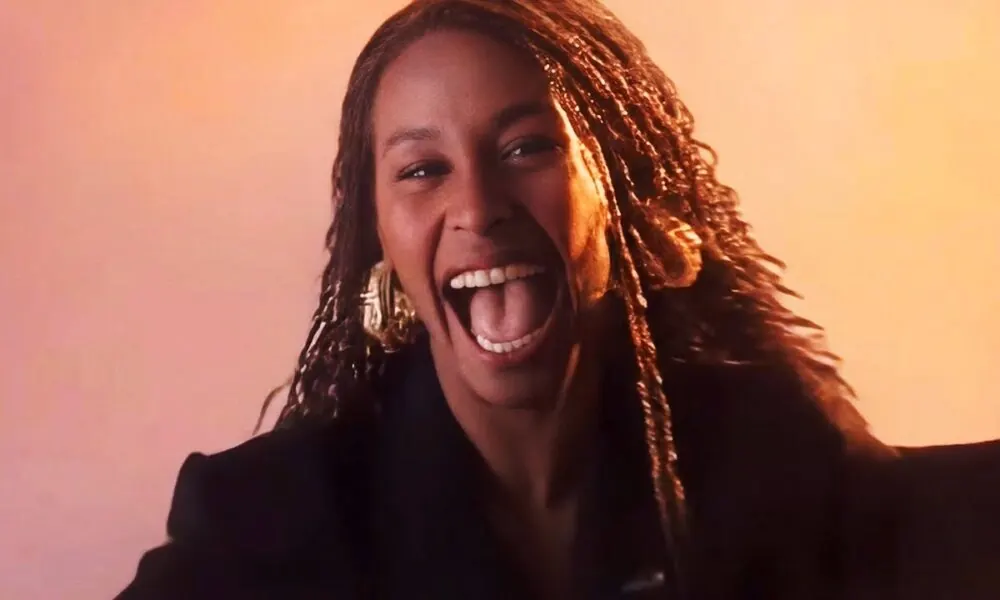
The Studio Vocalist and the Public Face
Although Olga de Souza became the public face of Corona, the vocal on the original recording came from Giovanna Bersola, better known as Jenny B. Producer Francesco Bontempi, working under the alias Lee Marrow, created the track during a period when the European dance music scene was producing some of the decade's most successful club records. Jenny B's vocal became one of its most recognisable elements, while Olga de Souza fronted Corona in the music video and during public performances.
As The Rhythm of the Night became known outside Italy, audiences increasingly associated Olga de Souza with the record even though Jenny B remained the voice heard on it. Similar studio arrangements existed elsewhere in European dance music during the period, but few became attached to a hit of this scale. Later Corona singles used different studio vocalists, including Sandy Chambers on Baby Baby and Try Me Out, while Olga de Souza continued representing the project publicly.
Roots in an Earlier Track
Years before Corona recorded The Rhythm of the Night, part of its melody had already appeared in Say When!'s 1987 track Save Me. The connection can be heard in the verse and explains why Pete Glenister and Michael Gaffey appear among the songwriting credits. They are joined by Francesco Bontempi, Annerley Gordon, and Giorgio Spagna on the finished record.
Lee Marrow reworked those melodic ideas into the faster dance production heard on The Rhythm of the Night, pairing them with Jenny B's vocal and the synth-led sound of the 1993 recording. As demand for the track grew beyond Italy, additional versions followed, including remix work from The Rapino Brothers during the wider European rollout.
International Chart Success
Within months of its Italian debut on November 5, 1993, The Rhythm of the Night had become a No. 1 hit and spent eight consecutive weeks at the top. Its popularity spread across Europe during 1994, introducing Corona to audiences in several major markets while Eurodance was becoming increasingly prominent across the continent.
The UK became one of the track's strongest markets, where it peaked at No. 2 and spent 19 weeks in the Top 100, including six weeks in the Top 10. By 1995, it had also broken into the United States, peaking at No. 11 on the Billboard Hot 100. More than a year separated its first Italian success from its American chart peak, giving the record a long run across different countries.
That wider success gave Corona enough momentum for a debut album carrying the same title in 1995. Baby Baby, Try Me Out, and I Don't Wanna Be a Star followed during the same period, proving that the project had more to offer than the track that first introduced it internationally.
Legacy Beyond the Original
Decades after its first chart success, The Rhythm of the Night remains closely associated with the Eurodance sound of the 1990s. Covers, remixes, and reinterpretations have kept it familiar to later generations, while Bastille used it alongside Snap!'s Rhythm Is a Dancer for Of the Night.
Thirty-three years after its 1993 debut, The Rhythm of the Night remains one of the best-known records from the European dance music scene of the 1990s, its longevity tied to the multiple stories behind a track most listeners know only from its chorus.

Community Signals
Login or Sign up to broadcast on this frequency.
> No signals detected on this frequency.