Viral Anxiety Reshapes Public Behavior
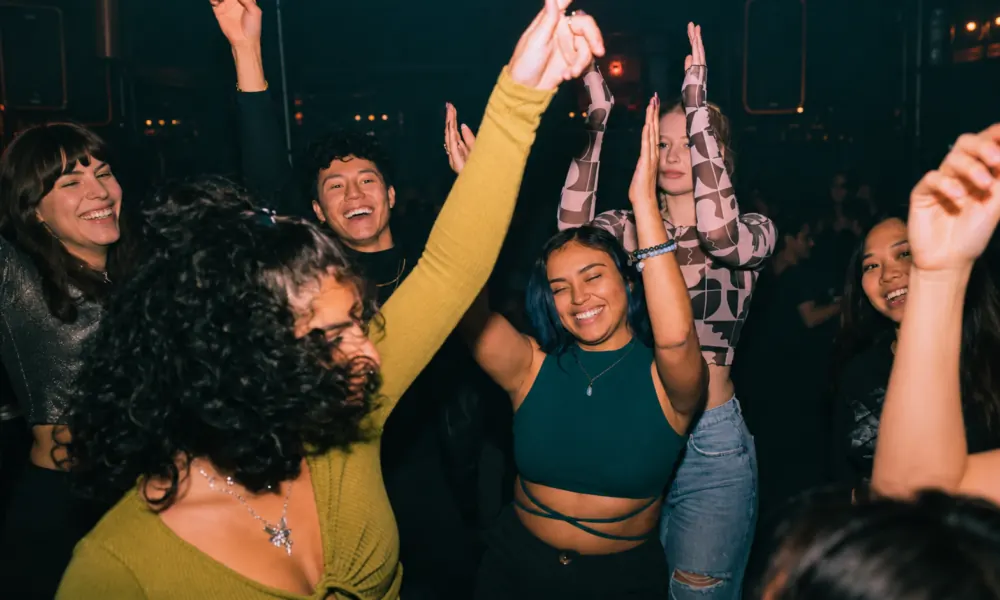
A LifeStance Health study conducted by Dynata in July 2026 surveyed 1,000 U.S. adults about unwanted recording and online sharing. Among Gen Z respondents, 49% said they avoid dancing because they fear becoming someone else's social media content. The concern extends beyond the dancefloor: 72% of Gen Z said the possibility of going viral affects their desire to leave the house or attend events, while 74% said it makes it harder to enjoy the present moment.
The hesitation also shapes how young people interact in social settings. 43% said they hold back strong emotions or opinions in public, while 38% avoid acting silly or telling jokes. In nightlife environments where spontaneity is typically part of the experience, the presence of nearby cameras can make attendees think twice before letting loose.
Phone-Free Policies Gain Momentum
Eventbrite data shows phone-free event listings increased by 567% globally in 2025, with attendance rising alongside. In the UK, listings jumped 1,200% and attendance climbed 1,441%. Venues including Shelter and The Loft at Amsterdam's A'DAM Tower have introduced no-photography policies, while The Warehouse Project and Lakota have restricted filming on dancefloors. London club night Lost takes a stricter approach, requiring attendees to seal their phones in magnetic pouches until they leave.
Smart Glasses Complicate Privacy Efforts
Wearable recording technology is making phone-free policies harder to enforce. Smart glasses can capture audio and video while resembling ordinary eyewear, giving people nearby little indication that recording is happening. The European Data Protection Board raised privacy concerns about the devices in October 2026 as discreet recording becomes more accessible.
For venues attempting to limit filming, traditional policies may no longer provide the same level of reassurance. As cameras become less obvious, younger attendees who already worry about unwanted footage may face additional uncertainty about whether they can dance freely without later appearing online.
The LifeStance Health study highlights a shift in how social media's reach into physical spaces is influencing behavior, particularly among younger club-goers navigating nightlife in an era of ubiquitous recording devices.

Community Signals
Login or Sign up to broadcast on this frequency.
> No signals detected on this frequency.