Neuroplasticity and the Clinical Case
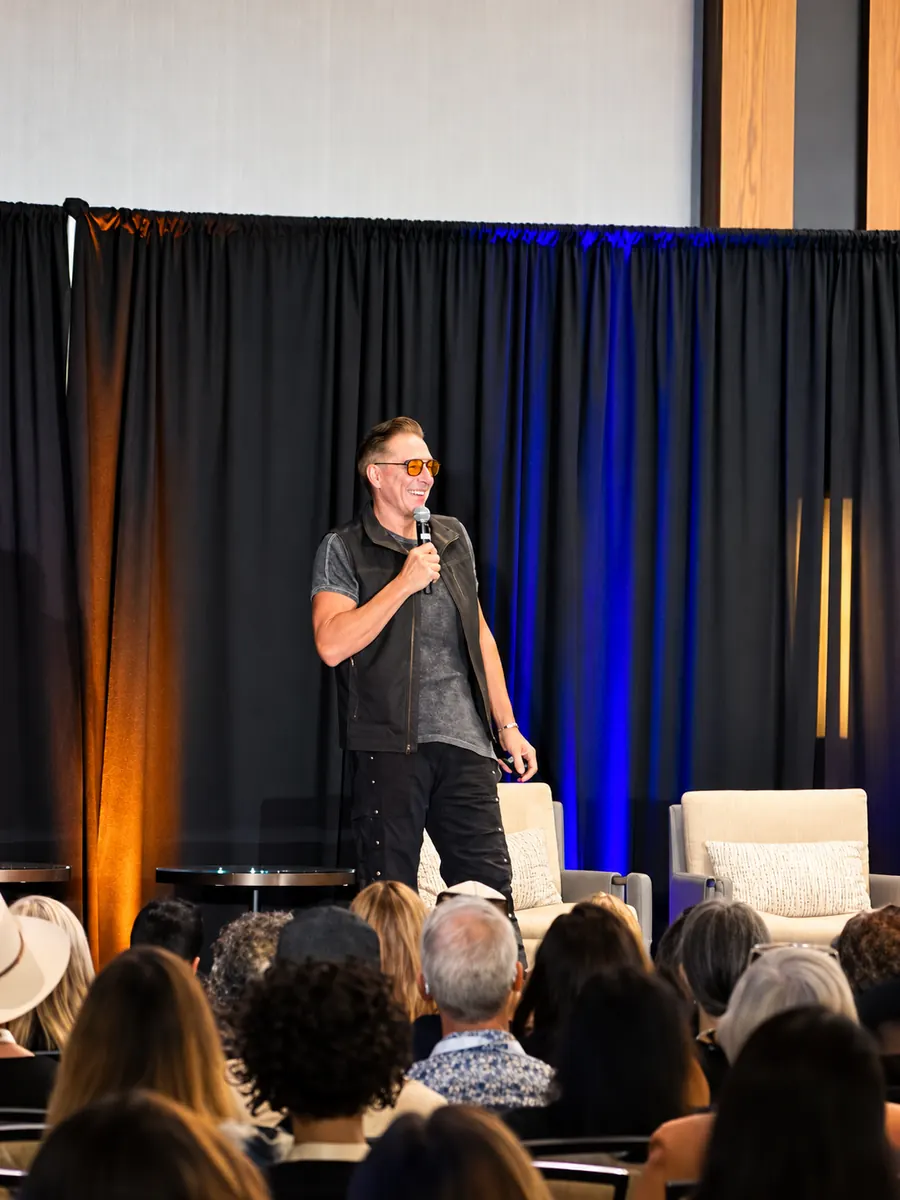
From October 12–14, the BEYOND Psychedelics conference in Austin, Texas, brought together researchers, clinicians, and practitioners for the second largest psychedelic science conference in the USA. The event marked the first major collaboration between biohacking pioneer Dave Asprey and psychiatrist and neuroscientist Dr. David Rabin.
Speakers included Dr. Scott Aaronson, who has led studies of psilocybin in treatment-resistant depression, Rick Doblin, founder of the Multidisciplinary Association for Psychedelic Studies (MAPS), mycologist Paul Stamets, and Markus Pesonen, founder of the sound-focused platform Olo.
Across keynotes and panels, one concept surfaced repeatedly: neuroplasticity, the brain's ability to form new connections and reorganize itself. Researchers are interested in psychedelics because early findings suggest they may open a window of heightened plasticity, a period when the brain is more receptive to change. During his talk Psychedelic 'Antibiotics' for Mental Illness, Dr. Rabin's slides distilled the clinical reasoning: "Psychedelics facilitate trauma healing by accelerating safety learning and fear extinction."
Integration as the Central Theme
The evidence base requires context. MDMA-assisted therapy for PTSD and psilocybin-assisted therapy for depression are among the most studied applications, both evaluated in clinical trials with careful screening, trained clinicians, and structured support. That setting differs considerably from a festival field, and findings from one do not automatically carry over to the other.
This distinction gave the weekend its central theme: integration, the process of making sense of an experience and translating it into everyday life. During a panel called Beyond the Journey – Best Integration Practices, Ayachele Maximina described it as "feeling that you are connected to yourself, to people in your life, the community at large, and to the world." Talia Eisenberg framed it as "taking the insights from your experience and making them real in this realm," adding: "The day after your experience is day one. Your brain is like wet cement. Who you allow to walk on it and what you do is key."
Dr. Rabin spoke to the gap in public understanding. "We've known for many decades in psychiatry that when you combine psychotherapy with medication, it always gets better," he said, adding that peak experiences alone do not typically produce the lasting transformation people are seeking. Jetta Blaine emphasized tangible action, noting the work is about "bridging the gap between the mind and the body." Asprey was more direct, describing a skipped integration process as "how they're spiritually bypassing."
Music, Sound, and the Body
Two sessions spoke directly to the music community. Olo's presentation on sound as setting positioned music as part of an experience's environment rather than a backdrop. "Nature is the main ingredient. Music supports it," the team shared, adding that "sound is not only something we listen to, it can become the place where the experience unfolds."
Dr. Jordanna Quinn turned attention to the body during her talk The Body as the Vessel for the Journey. "The journey doesn't happen in your mind. It happens in your cells," she said. "Psychedelics open the window. They do not pay the electrical bill." Her guidance was straightforward: "Honour the vessel. Take your nutrition as seriously as you take your intention. Before. During. After."
Recreation and the Sacred
In an interview with EDM.com, Asprey offered his perspective on whether using psychedelics recreationally diminishes the sacredness of the medicine. "Humans have been using psychedelics for fun for 10,000 years," Asprey shared. "There is no moral judgment on either side. What I do have a problem with is only using it for recreation and not doing the deep work. I don't think that usually leads to happiness."
The conference took place in Austin from October 12–14. Many of the substances discussed remain illegal in much of the world, and the science is still evolving.
Community Signals
Login or Sign up to broadcast on this frequency.
> No signals detected on this frequency.