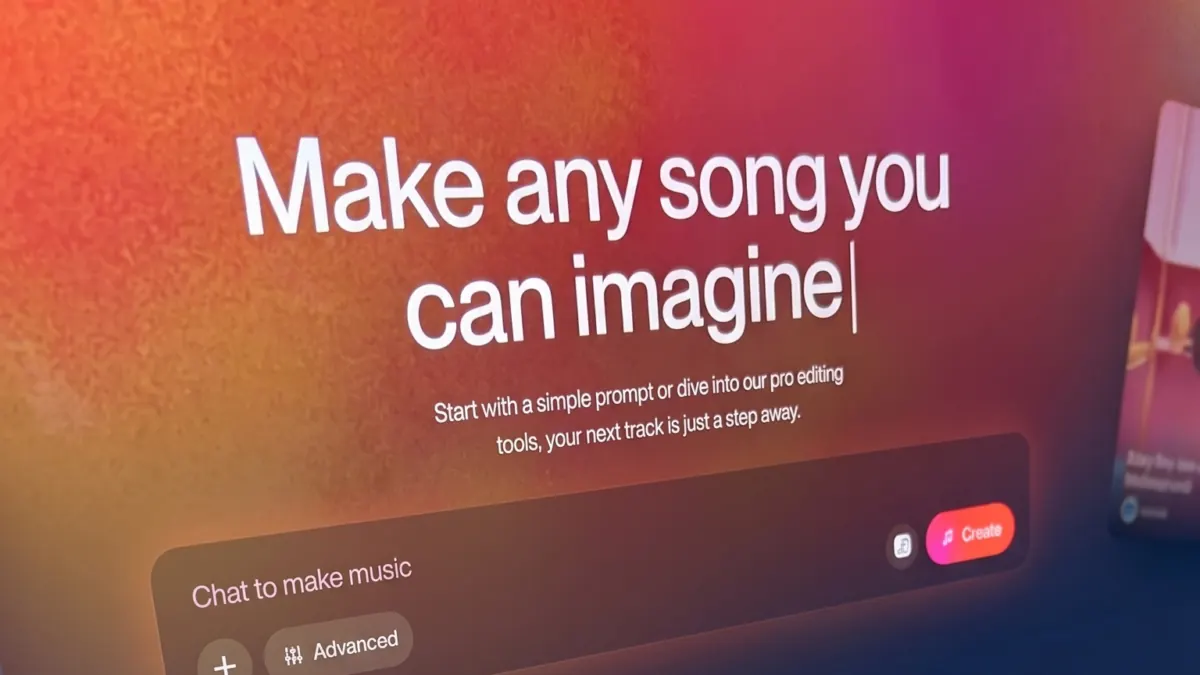
Suno has rolled out new watermarking technology and download restrictions designed to prevent mass distribution of AI-generated tracks on streaming platforms. The announcement, published this week in a blog post titled "How We're Building the Future of Music Responsibly," comes as the company faces multiple copyright lawsuits from major labels and a class action suit over a data breach that exposed the personal information of 55.3 million users.
Download Caps Target Streaming Fraud
The new downloads policy aims to make it harder for users to flood Spotify, Apple Music, and other services with algorithmic content under fake artist names, a practice that diverts streaming royalties from working musicians. A recent economic study conducted by CISAC and PMP Strategy with participation from Deezer estimates that $4.6 billion in annual artist revenue could be lost to AI-generated music by 2028.
Co-founder Mikey Shulman also announced that Suno will adopt audio watermarking and fingerprinting technology in the coming weeks, built to survive editing and re-uploading so AI-generated tracks can be identified if they resurface elsewhere. The move aligns Suno with efforts already underway at Google DeepMind and other AI labs racing to label synthetic content before regulators mandate it.
Updated Guidelines Ban Voice Cloning and Song Recreation
Suno is updating its Community Guidelines to formally ban attempts to recreate existing songs, use someone's voice without permission, or upload material without rights. Shulman said the rules already existed but are now being rewritten to be "easier to understand."
The measures do not address the central legal challenge facing Suno: allegations that it trained its AI model on copyrighted music without permission or compensation. The company recently raised over $400 million at a $5.4 billion valuation despite ongoing litigation. An investigative report published in July by 404 Media revealed that Suno ingested "decades worth of music and podcasts," including more than two million individual clips from YouTube. The Atlantic's AI Watchdog database, released earlier this year, enables musicians to search whether their songs were among more than 21 million tracks circulated among AI developers without consent.
The watermarking and download restrictions are expected to roll out in the coming weeks.

Community Signals
Login or Sign up to broadcast on this frequency.
> No signals detected on this frequency.