The Problem Starts Before the Sound
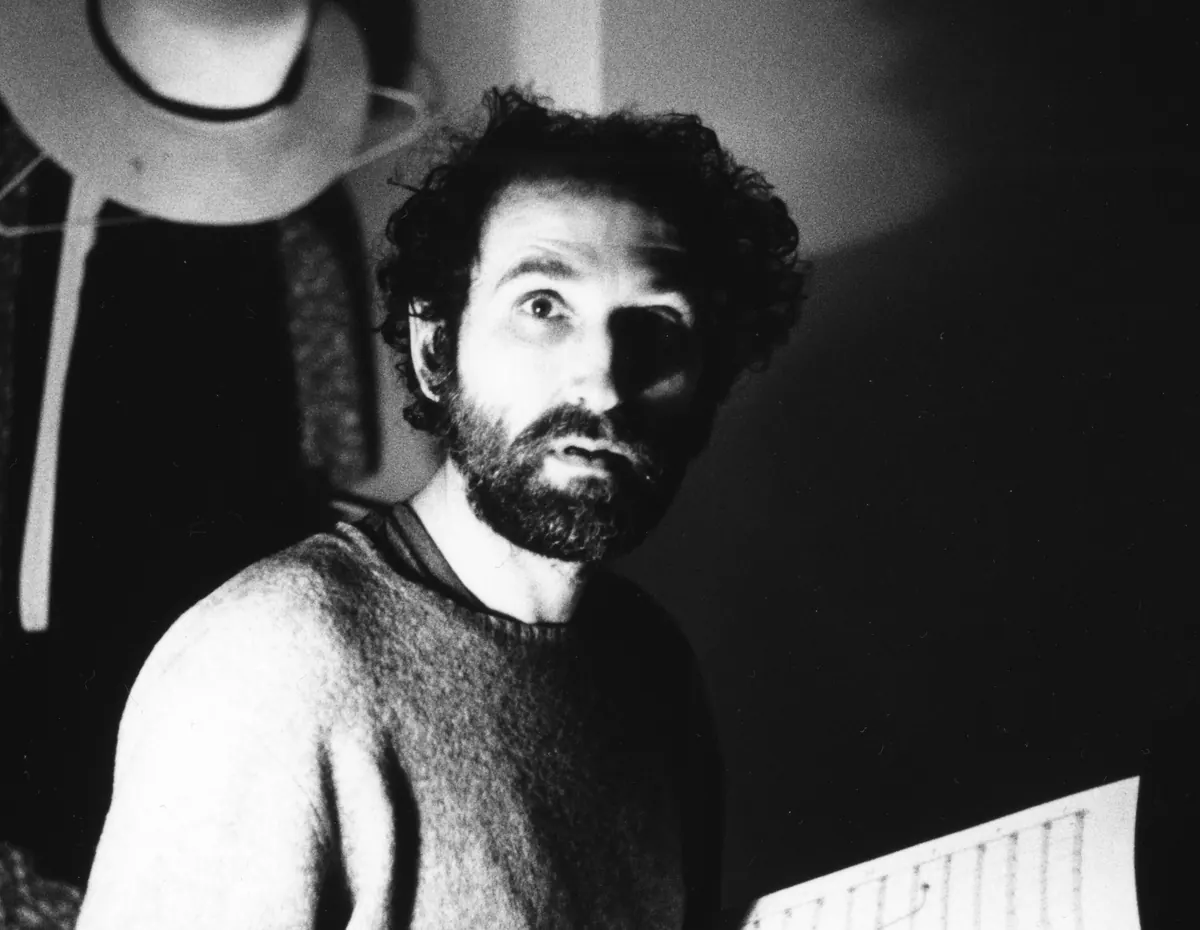
In a new interview with Chanel, Thomas Bangalter said he is "not really interested in the creative usage of artificial intelligence," pointing to a fundamental disconnect between AI tools and the way he understands art creation. For Bangalter, the issue with AI music begins before any sound is generated.
From his perspective, the typical AI interface is at odds with pure creativity. AI music tools begin with prompting, which means the user has to explain the desired result in words before the work exists. "My relationship to creation and my relationship to art is mostly happening at a deeper level, which does not express itself through words," Bangalter said. He added that the most interesting part of creativity is not purely intellectual, but tied to the process of understanding feeling.
Machines That Heighten Feeling, Not Erase It
The remarks are striking coming from an artist whose work seminally blurred the line between human emotion and machine identity. Daft Punk, the iconic electronic music duo Bangalter formed with Guy-Manuel de Homem-Christo, turned robots into one of the genre's most enduring symbols. But the project was never a simple celebration of technology. Across influential albums like Human After All and Random Access Memories, Daft Punk often used machinery to heighten human feeling, not erase it.
Bangalter's comments feel like a timely advancement of that axiom. Electronic musicians can embrace technology without accepting every new tool as creative progress. A synthesizer, sampler or drum machine can become an extension of the body, while a prompt-based system asks the artist to describe the destination before the journey has begun.
Defending the Unstable Process
That distinction is becoming more urgent as AI continues to push deeper into the music business. Streaming platforms, rightsholders and tech companies are increasingly trying to turn AI into a licensed product category, with fan-made remixes, synthetic voices and automated creation tools becoming part of the industry's next commercial frontier.
In an era when the music business is racing to make creativity faster, cheaper and more scalable, Bangalter is defending the slower, stranger process of not knowing what you are making until you make it. His point is not that artists should retreat from technology—his own career would make that argument impossible. The point is that tools should expand human instinct rather than replace the unstable, nonverbal process that gives music its pulse.
The machine may be able to generate sound. But the surprise, Bangalter suggests, still has to come from us.

Community Signals
Login or Sign up to broadcast on this frequency.
> No signals detected on this frequency.