Feel the Vibe: Why Electronic Music Hits So Close to Home!
Ever wondered why certain tracks send shivers down your spine, or why a DJ set can feel like a profound personal journey? It’s not just the bass drop; it’s science! Psychological research reveals that our intense emotional connection to music, especially within the vibrant world of electronic music, is deeply intertwined with how we process emotions, empathy, and sensory experiences. Get ready to dive into the fascinating reasons why the beats resonate so deeply within your soul!
The Empathy Connection: A Scientific Beat
A groundbreaking study published in PLOS ONE illuminated a crucial link: individuals with higher levels of empathy tend to develop more robust emotional connections with music. This isn't about your favorite genre; it’s about how you engage with sound, mood, and the intricate emotional nuances woven into the music. For the dedicated fans of electronic music, where progression, structure, and immersive soundscapes are paramount, this explains why the experience is often felt, not just heard. It’s a full-body, full-mind immersion!
From Drops to Journeys: Electronic Music's Unique Emotional Arc
The research connecting empathy and emotional processing to musical engagement perfectly explains why certain electronic music experiences hit differently. In our scene, the emotional connection often blossoms over extended moments, crafting a narrative rather than just delivering instant gratification. Think about the legendary progressive sets by maestros like Eric Prydz, the sublime soundscapes of Matisse & Sadko, or the evocative journeys crafted by Lane 8. These artists rely on gradual melodic development, artful repetition with variation, and delayed resolutions that unfold across time. Listeners who truly connect describe being utterly absorbed during subtle chord changes, intricate build-ups, or seamless transitions, finding joy in the evolving tapestry of sound long before the climactic drop.
Festival Frontiers: Where Connection Amplifies
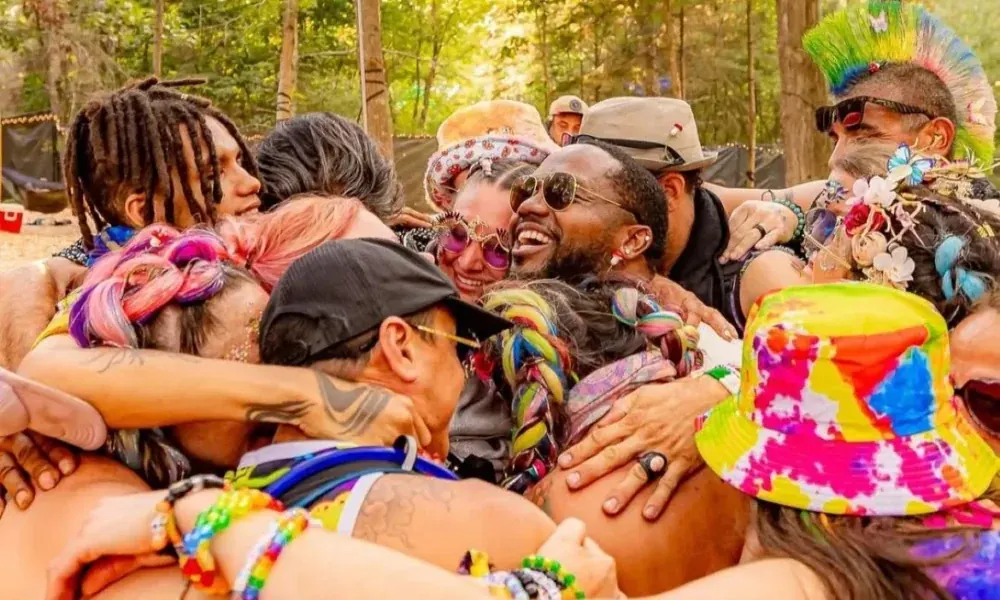
This profound connection truly shines at massive festivals and extended club nights, with electronic music events providing some of the clearest examples. Picture the electrifying atmosphere at Tomorrowland, the sun-drenched vibes of Anjunadeep Open Air, or the hypnotic depths of Afterlife. Audiences at these events often remain captivated through long sequences of tracks that evolve organically, sometimes without vocals or obvious peaks. Instead of fixating on individual songs, listeners surrender to the flow, following how the sound progresses across an entire hour or multi-hour set. The PLOS ONE research supports this, showing that highly empathetic individuals process music through internal emotional responses and sustained engagement. In electronic music settings, this translates into powerful emotional attachments to long-form sets, unforgettable closing sequences, and extended transitions where meaning builds gradually, beat by glorious beat.
The Power of Progression: Why Extended Sets Rule
Extended DJ sets are a masterclass in emotional architecture, giving artists the canvas to meticulously control pacing, repetition, and progression in ways shorter slots simply cannot match. DJs renowned for their long-format performances, such as Carl Cox commanding the decks at Club Space Miami, Solomun delivering his iconic open-to-close sets, or the legendary tag-team of Sasha and John Digweed during their epic club nights, introduce musical ideas early and develop them across hours. This allows patterns, melodies, and transitions to truly settle and evolve before shifting direction. In these extended journeys, the progression becomes a clear narrative, giving listeners a profound sense of how the set is unfolding. Instead of reacting to isolated moments, the audience follows a continuous sonic flow through expert sequencing, subtle tempo adjustments, and melodic developments that build gradually. As the set progresses, earlier elements might reappear in fresh forms, transitions feel more deliberate, and listeners begin to anticipate what’s next, intensifying engagement and making every sonic shift feel deeply meaningful within the grander context.
This immersive approach is also central to contemporary festival experiences. Witness the breathtaking showcases by Tale Of Us at Afterlife, the soulful extended festival closings by Black Coffee, or the monumental long-form headline slots by Eric Prydz. Their sets prove that true emotional impact stems from masterful progression and impeccable timing, not just a constant barrage of intensity. It’s about crafting a journey that moves you, body and soul!

Community Signals
Login or Sign up to broadcast on this frequency.
> No signals detected on this frequency.